Resembling much similarity to fine art, modding is a gateway for pure creativity and self-expression. It is often misconceived that in order to alter features within games such as character sets, music, or level design, one must be a technical expert. The real beauty is that modding is practiced by individuals of all technical skill levels. As stated in Postigo’s article, “For those that don’t have coding or design skills learning to mod from veterans of the modding community is a way of entering a deeper world in gaming, a world where they get to decide how a game looks, what its narratives will be and how it will represent the world. Modding is empowering.” Modding is actually a widely accepted activity in the gaming community. There are several different means in which it can be done. Among the most popular are the uses of software development kits (SDKs) such as the Unreal Development Kit (UDK). These are typically a set of development tools that allow for the creation of applications for certain software platforms. Some involve more technical knowledge than others. For instance, developing a game with the UDK will involve much coding. However, most of the basic development of a game with RPG Maker XP will not. If one wants to add advanced functionality to the game, Ruby scripting will be necessary. Another common appearance for modding occurs in map-editors built into the game. These allow users to use the tool to express their creativity within certain limits. These certain limits may include a finite number of objects that could fit in a map, a selection of already predetermined tiles for creating rooms, or limited options of given background music to play in the level. Map-editors offer great replay value for the game. If one gets bored with the main campaign of the game, a seemingly endless number of new maps can be made. So no matter how familiar one is with modding, there is a way he or she to get involved.
Personally, I have been working with RPG Maker XP for about 4 years now. My brother and I were in the process of creating a game called “Ring of Ruination”. The storyline follows one of the books in his 7-part series. He wrote the story and the dialog and aided in map design. I did everything else. It has been hard for us to synchronize our efforts effectively since last year. Thus, development has been on hiatus due to other responsibilities, but we hope to continue someday.
Links to SDKs:
Unreal Development Kit (UDK) – http://www.udk.com/
RPG Maker XP - http://www.rpgrevolution.com/engine/rpg-maker-xp.html
Friday, September 3, 2010

Thursday, September 2, 2010
Am I modding this site right now?
Let's take a closer look at Postigo's thoughts on consumption and creation:
"As a thought experiment, one could imagine we are modders of a different sort; we are not game modders but Web modders. Every day thousands of us log on to Facebook or Twitter, use Google mail, YouTube or participate in wikis. We take part in practices that are social at the same time that they are deeply technological. We are invited to participate, to take an active role in constructing profiles, tweets, videos and knowledge bases. Many of these infrastructures are owned by large media corporations and so, like modders modding games, we shape the face of commercial products, extend their market lives and give them dimensions that the original designers of the systems did not anticipate."
In conjunction with his "free labor" idea, this has some pretty serious implications. Is the internet a platform with us being both consumer and developer? I am currently creating content that can now be viewed and contemplated by anyone. How is this similar or different from modding a videogame? Facebook would be a ghost town without its userbase. One person using it on their own would find themself very alone and with mostly nothing to do. The value comes from user-created content. Blogs are a similar beast. Without people creating, reading, and commenting, the blogoshpere would just be a pile of personal diaries. Without a large community of people, the internet has no value.
Videogames, on the other hand, do have individual value. They have content created by the publisher. These games are then modded and more content is available. These games have more value with a large community of modders. Lucky for the publisher, people are willing to increase the value of their product for them. More and more, games are beginning to become less about content and more a platform for making content. Look at The Sims, Spore and LittleBigPlanet. Many games now ship with map editors to give the average consumer an easier way to create and distribute their own content. Videogames have become a more participatory medium. They have always been interactive and allowed the player to become Indiana Jones and experience the story, but now they are giving you the power to be Spielberg and create the story. Some people take advantage of this and some just take advantage of the creations of other players, but either way, player involvement in the creative process increases product value.
"As a thought experiment, one could imagine we are modders of a different sort; we are not game modders but Web modders. Every day thousands of us log on to Facebook or Twitter, use Google mail, YouTube or participate in wikis. We take part in practices that are social at the same time that they are deeply technological. We are invited to participate, to take an active role in constructing profiles, tweets, videos and knowledge bases. Many of these infrastructures are owned by large media corporations and so, like modders modding games, we shape the face of commercial products, extend their market lives and give them dimensions that the original designers of the systems did not anticipate."
In conjunction with his "free labor" idea, this has some pretty serious implications. Is the internet a platform with us being both consumer and developer? I am currently creating content that can now be viewed and contemplated by anyone. How is this similar or different from modding a videogame? Facebook would be a ghost town without its userbase. One person using it on their own would find themself very alone and with mostly nothing to do. The value comes from user-created content. Blogs are a similar beast. Without people creating, reading, and commenting, the blogoshpere would just be a pile of personal diaries. Without a large community of people, the internet has no value.
Videogames, on the other hand, do have individual value. They have content created by the publisher. These games are then modded and more content is available. These games have more value with a large community of modders. Lucky for the publisher, people are willing to increase the value of their product for them. More and more, games are beginning to become less about content and more a platform for making content. Look at The Sims, Spore and LittleBigPlanet. Many games now ship with map editors to give the average consumer an easier way to create and distribute their own content. Videogames have become a more participatory medium. They have always been interactive and allowed the player to become Indiana Jones and experience the story, but now they are giving you the power to be Spielberg and create the story. Some people take advantage of this and some just take advantage of the creations of other players, but either way, player involvement in the creative process increases product value.
Modders Don't Care That Much
by Shih-Wei Cheng
Some may argue that modding violates others’ intelligent properties by changing the background, music, or even everything about the game. However, from my points of view, modding is not only a creative way for game players to develop their own gaming experience, but it also is a money maker to the company because it allows companies to see new creativities, which can be used to produce more exciting things that will attract people.
That being said, postigo points out the argument that modders are free labors who give potentially innovative contents to future games that can be used by the game industries to earn money. However, speaking from experience, modder are usually those who are deeply in love with certain games otherwise they would not spend time modding the games. Therefore, games that cannot attract the game players or give them joy in the first place naturally would not have many modders supporting and giving new ideas to them. On the other hand, good games will keep being supported by modders.
In a conclusion, the relationship between game industries and modders are rather on a give and take basis than just a one way relationship. Modders will only support those that pleasure them, so giving new and creative ideas to the company can be viewed as a payback to the game that they like rather than just being used for financial purposes.
Some may argue that modding violates others’ intelligent properties by changing the background, music, or even everything about the game. However, from my points of view, modding is not only a creative way for game players to develop their own gaming experience, but it also is a money maker to the company because it allows companies to see new creativities, which can be used to produce more exciting things that will attract people.
That being said, postigo points out the argument that modders are free labors who give potentially innovative contents to future games that can be used by the game industries to earn money. However, speaking from experience, modder are usually those who are deeply in love with certain games otherwise they would not spend time modding the games. Therefore, games that cannot attract the game players or give them joy in the first place naturally would not have many modders supporting and giving new ideas to them. On the other hand, good games will keep being supported by modders.
In a conclusion, the relationship between game industries and modders are rather on a give and take basis than just a one way relationship. Modders will only support those that pleasure them, so giving new and creative ideas to the company can be viewed as a payback to the game that they like rather than just being used for financial purposes.
Modding: We Can Change the World.
In reading Hector Postigo's article exploring the relationship between the game industry and "modders," the audience is exposed to a feeling of urgency as the author calls for critical participation from the masses. Seeing as to how much time the users of technology spend consuming cookie-cutter software and media that caters to the status quo, Postigo suggests that it is the responsibility of the consumers to take initiative in molding our mass media environment. Ironically, the article stressed the fact that modders did what they did not as a job, or in an attempt to rebel, but out of passion for the games that they based their modifications off of.
Most modders were unanimous in saying that they believed that modding provided a closer understanding of the game mechanics and allowed them to truly make the game their own if not spawn an entirely new creation. Although I understand that the media we consume today is a result of a technologically deterministic society, or one in which we are shaped by the technologies we consume, I do not believe this single article has enough depth to persuade its readers to take action against this fact. While it is true that for gamers, the modding community has provided visible benefits for all those involved from the major game companies to the players and modders, it will not be a simple task to do so with popular media in general. There is only so much that people can change through the rare and feeble software developer kits made available by companies such as Apple or Android, focused on small portions of the media market. Either the author is being overly optimistic, enjoys making outlandish attempts to spur public reaction, or I am horribly misinterpreting Postigo's closing argument. Either way, we as a people do contribute, both knowingly and unknowingly, to the "digital media stream" but to say that there is the potential for public participation in molding this stream, I believe should be saved for a different journal entry altogether.
Modding as threat?
Perhaps one of the most important questions that is asked of a modding community these days is whether such fundamental changes made to someone else's intellectual property are illegal. While in theory the answer is yes, as very rarely any sort of consent is given to the modders, it is also incredibly rare for game developing studios to actually purse an official course of action. One could ask why? Technically, a lot of money can be made winning those lawsuits which can only benefit a company - technically.


The reality of today's gaming business is actually quite different. Most often video game developers not only acknowledge the modding community but also provide them with the necessary tools in order for them to be able to alter the game. The idea behind such actions is that any sort of changes can refresh the game's appeal and spark additional sales, or simply give the developers new and innovative ideas about the directions in which any possible sequels could go.
Naturally, we also need to be aware of the different categories of mods: partial mods, total conversions and fixes/patches. While partial mods only alter a certain aspect of the game without interfering with the basic premise of the title, total conversions spin the entire product on its head: the one I am most familiar with is ESF mod for HL that not only changed the rules of the game, but also the game's genre.
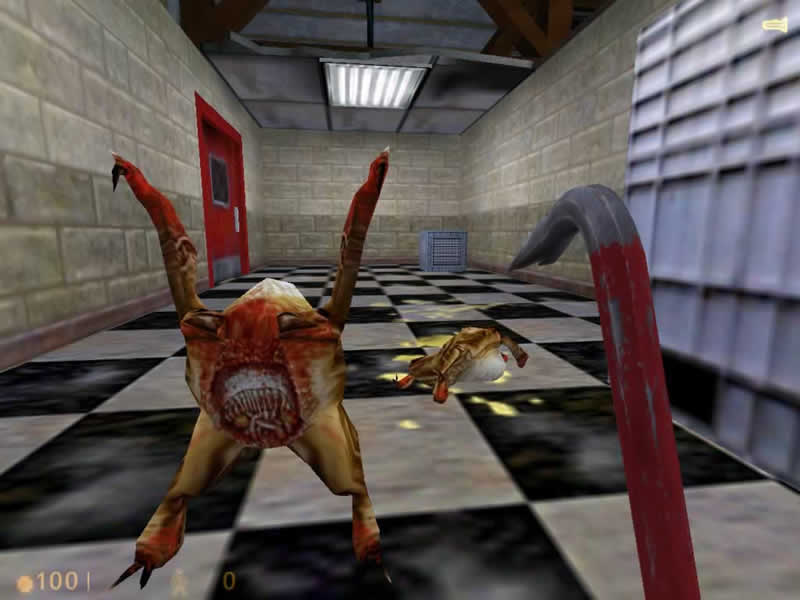
HL
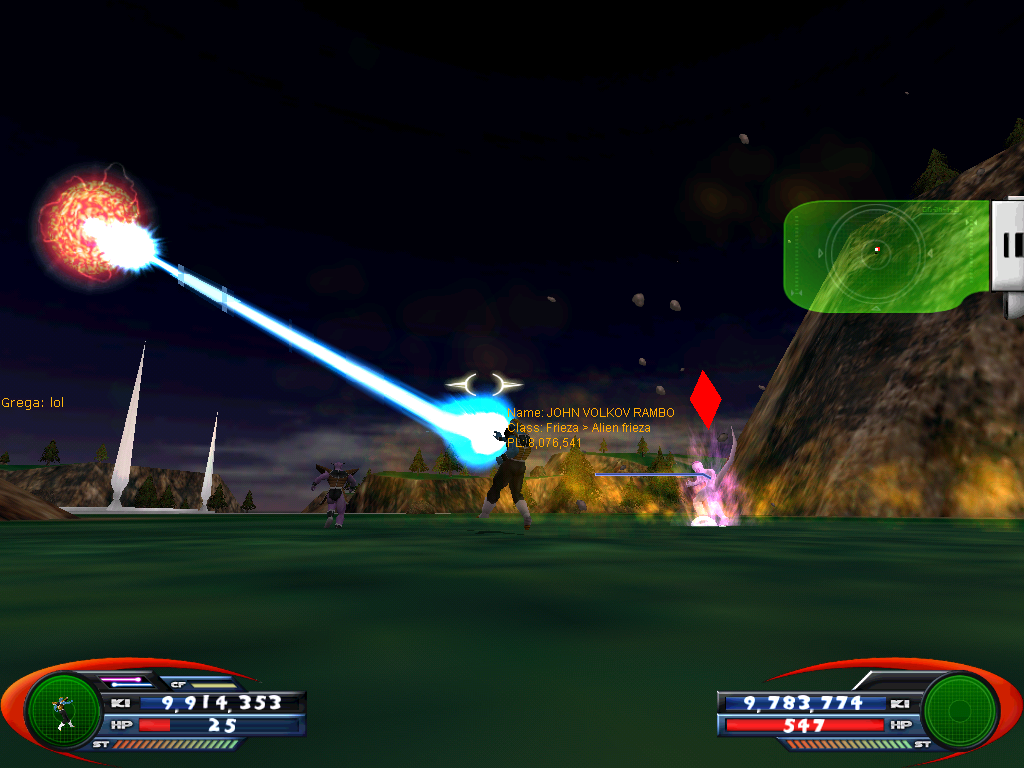
ESF
ESF brought Half Life to life (:P) years after the initial game was released and as such revamped the sales and allowed for a new, innovative approach to the game mechanics.
The third type of modding that we need to look at is fixes/patches - a time when the game developers aren't interested in fixing their broken products and the community is taking charge and as such also increasing the revenue for the original designers. Perhaps one of the best examples of such dedicated community work is the amount of dedication Jowood community showed when the third part of the most amazing RPG on the planet (in my opinion - and yes, I also helped with the patches) hit the shelves: Gothic3. The first two games and the expansion pack established the most immerse, detailed, and intriguing world I have ever seen in an RPG, and when the third part moved from a niche market and tried to appeal to a large number of american consumers (Piranha Bytes - the makers of the first two games were from Germany) the game clearly lost its appeal to the hardcore fans.

Gothic 3
After months of fixing the game was brought up to the level of its predecessors with new dialog options, new fighting system and new talent trees. It even offered completely new options such as Balanced AI which made the game a lot harder and hence more appealing.
Yes, modding changes things, but in the end, everyone profits from it - the makers, the consumers, the modders - I believe that in order for any PC game to be successful these days its makers need to recognize the potential of the modding community and instead of trying to fight it - they ought to embrace it.
Modding: The Ups and Downs
Games are a dynamic, interactive medium, in which the entertainment experience is defined as much by those who play the games as those who make them. The level of involvement offered to players has prompted some of them to interact with their games in a way that blurs the line between these two groups. The modification, or "modding" of games turns the players of games into the makers of games, as computer-savvy fans alter the code of their favorite games to create an entirely new experience out of an already existing program. Some mods will simply change character or background art, some will alter the music, while still others will open up entirely new methods of gameplay. This level of player interaction with games opens somewhat of a mixed bag to the industry - free game content that anyone can make is a double-sided coin. The positive side is much more prevalent than the negative, but it is worthwhile to look at both sides of the modding scene.
On the negative side, there are some mods out there that could be viewed as undesirable for production companies - for example, a fan-made patch for The Sims can remove the blur from naked characters - something that producer EA is likely not too pleased with. Such a mod could stir up controversy that harms the Sims brand or discourages people from buying the game. In addition, some modders will release a full copy of the game for free with their mods, depriving the original creators of the income from their game.
On the positive side, however, there are some truly great mods as well. Some of the best ones, such as Counter Strike, have even been recognized and bought by the creators of the original games, and the modders hired for the company. In some cases, people will buy a copy of the game simply to play a mod for it, or a mod might add new content that rebuilds interest in the title. Modification allows for the creation of a new gameplay experience, and modders may be willing to explore new ideas that developers were afraid to try or had overlooked. This type of modding pushes the industry forward, presenting new concept ideas to developers and challenging them to continue improving their own games.
So, on the whole, while modding has its upsides and its downsides, the benefits of additional creativity seem to far outweigh the intellectual property concerns modding may also produce. It is largely a positive influence on the industry, and one that few other media can boast.
-Robby Schiele
On the negative side, there are some mods out there that could be viewed as undesirable for production companies - for example, a fan-made patch for The Sims can remove the blur from naked characters - something that producer EA is likely not too pleased with. Such a mod could stir up controversy that harms the Sims brand or discourages people from buying the game. In addition, some modders will release a full copy of the game for free with their mods, depriving the original creators of the income from their game.
On the positive side, however, there are some truly great mods as well. Some of the best ones, such as Counter Strike, have even been recognized and bought by the creators of the original games, and the modders hired for the company. In some cases, people will buy a copy of the game simply to play a mod for it, or a mod might add new content that rebuilds interest in the title. Modification allows for the creation of a new gameplay experience, and modders may be willing to explore new ideas that developers were afraid to try or had overlooked. This type of modding pushes the industry forward, presenting new concept ideas to developers and challenging them to continue improving their own games.
So, on the whole, while modding has its upsides and its downsides, the benefits of additional creativity seem to far outweigh the intellectual property concerns modding may also produce. It is largely a positive influence on the industry, and one that few other media can boast.
-Robby Schiele
MODs
Suraj Kaku
MS 391
Professor L. Nakamura
Some argue that the practice of modding has a detrimental effect on the game. I would like to counter that argument by bringing up examples such as Counter-Strike (CS) and Defeat of the Ancients (DOTA). Counter-Strike is a Half-Life modification created around 10 or so years back. It started out as a free mod for players to download and enjoy. With its rising popularity over a short amount of time, Valve then hires the two creators: Minh Le and Jess Cliffe. Eventually, Half-Life started charging players to play CS. The game was such a success that Valve kept on improving it and creating subsequent major updates. CS1.6 and CS Source came out and surprised the market with it's simple concept but addictive gameplay. Valve made a fortune out of what was nothing but a basement project by two friends.
DOTA is the next successful one on my list though Blizzard did not grasp their chance to start another successful franchise, which is League of Legends (LOL). DOTA was a user created map in Warcraft3; DOTA was heavily edited that I consider it a mod. DOTA was so popular that people bought Warcraft3 just to play DOTA. Eventually, Riot Games came out with LOL, which is a better version of DOTA and it has it's own interface and engine.
Though these are only two of the very successful ones in the market. People arguing against modding will bring up all the disaster mods in the past but do keep in mind that without these failures, none of these money making and entertaining mods will exist.
MS 391
Professor L. Nakamura
Some argue that the practice of modding has a detrimental effect on the game. I would like to counter that argument by bringing up examples such as Counter-Strike (CS) and Defeat of the Ancients (DOTA). Counter-Strike is a Half-Life modification created around 10 or so years back. It started out as a free mod for players to download and enjoy. With its rising popularity over a short amount of time, Valve then hires the two creators: Minh Le and Jess Cliffe. Eventually, Half-Life started charging players to play CS. The game was such a success that Valve kept on improving it and creating subsequent major updates. CS1.6 and CS Source came out and surprised the market with it's simple concept but addictive gameplay. Valve made a fortune out of what was nothing but a basement project by two friends.
DOTA is the next successful one on my list though Blizzard did not grasp their chance to start another successful franchise, which is League of Legends (LOL). DOTA was a user created map in Warcraft3; DOTA was heavily edited that I consider it a mod. DOTA was so popular that people bought Warcraft3 just to play DOTA. Eventually, Riot Games came out with LOL, which is a better version of DOTA and it has it's own interface and engine.
Though these are only two of the very successful ones in the market. People arguing against modding will bring up all the disaster mods in the past but do keep in mind that without these failures, none of these money making and entertaining mods will exist.
Subscribe to:
Posts (Atom)